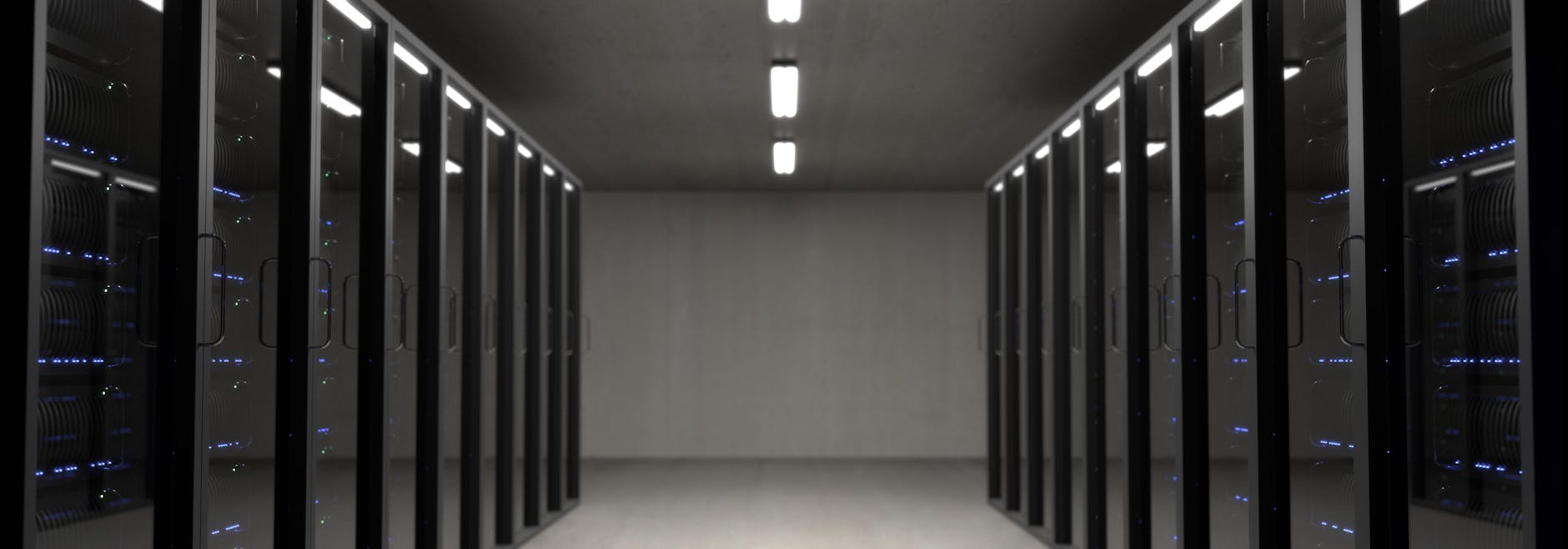
Data centers are emerging as the new utility for our increasingly data-reliant society, akin to the role of railways and pipelines during industrialization. With digital data generation expected to grow significantly in 2024, the demand for data centers, driven by cloud migration and AI advancements, is skyrocketing. Hyperscale centers, due to economies of scale, dominate development but face space and power limits. Successful investment in data centers requires not just understanding these growth drivers but also technical expertise, strong tech partnerships, and careful valuation to future-proof investments and navigate the rapidly evolving digital infrastructure landscape.
In the rapidly evolving landscape of artificial intelligence, NVIDIA stands at the forefront, its GPUs acting as the engines powering the AI race. These powerful processors, originally designed for graphics rendering, have found their second wind in accelerating AI computations, making them indispensable for data centers worldwide. However, as these “engines” rev up, the fuel they run on—electricity—becomes a commodity just as vital as the technology itself.
Data centers, in their quest to house these engines, have become notoriously power-hungry. The Information Age’s factories, they consume vast amounts of electricity, not just for computational tasks but also for cooling systems to prevent these high-performance units from overheating. This dual demand places an enormous strain on energy resources, pushing the industry to seek not just more efficient ways to power these centers but also to consider their geographical placement carefully.
The ideal locations for data centers are evolving in response to these challenges. Traditionally, proximity to major urban centers was a priority for reducing latency in data transmission. However, as the demand for AI and machine learning services skyrockets, the need for sustainable energy sources takes precedence. Regions with abundant renewable energy resources, such as hydroelectric, solar, and wind power, are becoming increasingly attractive. Countries like Iceland, with its geothermal and hydroelectric power, and regions in Scandinavia, benefiting from wind and hydro power, exemplify the shift towards ‘green’ data centers. These locations not only offer a more sustainable solution by tapping into renewable energy but also leverage the natural climate for cooling, further reducing the electricity demand.
This strategic geographic placement also introduces the concept of “data center gravity,” where the centers themselves become anchors for technological growth and innovation. As data centers move towards these ideal locations, they may also drive the development of renewable energy infrastructure, creating a symbiotic relationship between technology and sustainability.
In conclusion, as NVIDIA continues to fuel the AI revolution, the power requirements of data centers hosting these “engines” cannot be overlooked. The industry is at a crossroads where the choice of location reflects not just economic or technical considerations but a commitment to sustainability. By prioritizing renewable energy and efficient designs, data centers can mitigate their environmental impact while continuing to support the growth of AI and machine learning. The future of data centers, much like the future of AI itself, hinges on balancing the scales of innovation and environmental responsibility.
Do you think nuclear power deserves a second look to power these data centers?
 Ben Evangelista & Partners