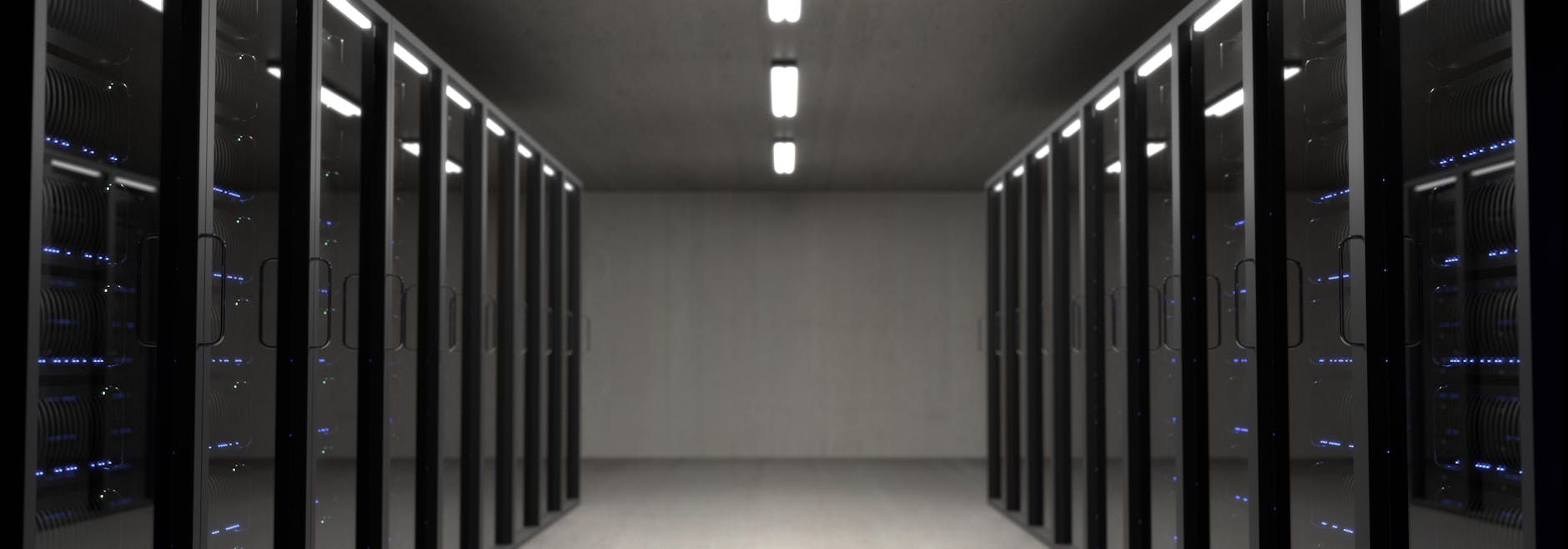
In our data-driven world, the demand for large-scale data centers continues to surge. As an investor, understanding the nuances of selecting the ideal land for these facilities in the Philippines is paramount to maximizing returns and ensuring long-term viability. This post, part of our comprehensive Data Center Series, will delve into the critical factors that make a piece of land ideal for establishing a large-scale data center in the Philippine setting.
Key Considerations for Ideal Data Center Land in the Philippines
Location and Accessibility
The Philippines, being an archipelago, offers unique opportunities and challenges for data center placement. Proximity to major urban centers like Metro Manila, Cebu, and Davao ensures better connectivity and access to skilled labor while being sufficiently distanced to mitigate risks from natural disasters or urban disruptions. Accessibility to major transportation networks, such as highways, seaports, and airports, also plays a vital role in the logistics of equipment and personnel.
Climate and Environmental Conditions
The tropical climate of the Philippines necessitates efficient cooling systems for data centers. Regions with cooler temperatures, such as Baguio or Tagaytay, can naturally aid in reducing cooling costs. Additionally, the land should be assessed for environmental risks, such as flood zones, earthquake fault lines, and typhoon-prone areas, to ensure uninterrupted operations.
Energy Availability and Sustainability
Data centers are energy-intensive. Thus, the availability of reliable and affordable power is a top priority. Sites near renewable energy sources or areas with a robust power grid infrastructure are highly desirable. The Philippines has significant potential for renewable energy, such as solar, wind, and geothermal power, which can be leveraged to reduce operational costs and enhance the environmental credentials of the data center.
Fiber Optic Connectivity
High-speed and reliable internet connectivity is the lifeblood of a data center. The chosen land must have access to multiple fiber optic lines to ensure redundancy and minimize latency. Proximity to major internet exchange points (IXPs), particularly in Metro Manila, Cebu, and Davao, can significantly enhance data transmission speeds and reliability.
Land Size and Scalability
Large-scale data centers require significant land area, not just for the buildings themselves but also for future expansion. Investing in land with ample space for scalability allows for phased growth, accommodating increasing data demands without the need for relocating or acquiring additional properties. Areas in the outskirts of major cities or industrial zones can offer the necessary space at competitive prices.
Regulatory Environment and Incentives
The regulatory environment can significantly impact the feasibility and profitability of a data center. Investors should seek regions with favorable zoning laws, streamlined permitting processes, and minimal bureaucratic hurdles. Additionally, the Philippine government offers various tax incentives, grants, and subsidies to attract data center investments, particularly in special economic zones (SEZs) and IT parks. Researching and leveraging these incentives can result in substantial cost savings.
Security and Risk Management
Physical security is paramount for data centers, which store critical and sensitive information. The land should be in a low-crime area and allow for robust security measures, such as fencing, surveillance, and controlled access points. Additionally, consideration should be given to geopolitical stability and potential risks from local or regional conflicts.
Conclusion
Selecting the ideal land for a large-scale data center in the Philippines is a multifaceted decision that requires careful consideration of various factors. From location and climate to energy availability and regulatory environment, each aspect plays a critical role in the success of the investment. By prioritizing these key considerations, investors can ensure that their data center projects are not only operationally efficient but also poised for long-term growth and sustainability.
Stay tuned for our next installment in the Data Center Series, where we will study the opportunity and gold rush in data centers.
 Ben Evangelista & Partners