Expanding the Horizon: New Asset Frontiers in the 2026 REIT Rule Revisions
The landscape of the Philippine property market has just undergone a significant transformation. On January 8, 2026, the Securities and Exchange Commission (SEC) issued Memorandum Circular No. 1, introducing pivotal revisions to the Real Estate Investment Trust (REIT) guidelines. These changes are designed to further develop the capital market, democratize wealth, and align the Philippine regulatory framework with neighboring regions.
For investors and developers, the most exciting part of this development is the expanded list of assets that can now be securitized. Here is a look at what the new rules mean for the future of REITs.
Beyond Malls and Offices: The Rise of Infrastructure REITs
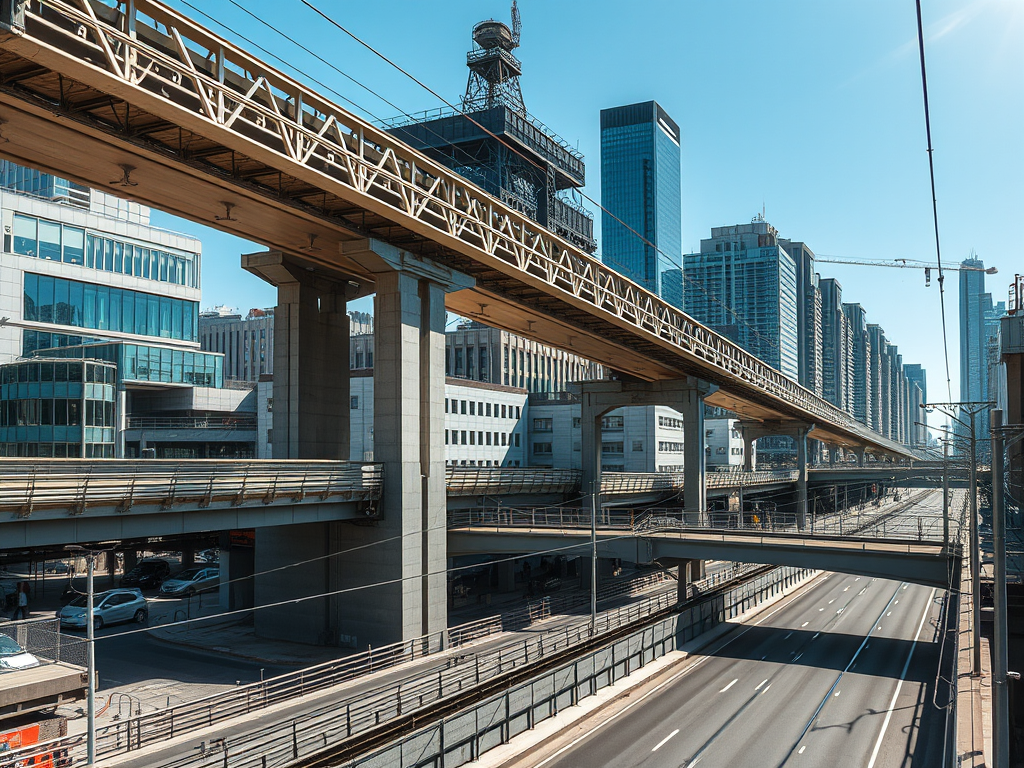
The revised rules provide a much broader definition of Infrastructure Projects, explicitly including both government and privately initiated projects. This opens the door for a variety of critical assets to be integrated into REIT portfolios, such as:
- Transport & Connectivity: Roads, bridges, railways, airports, seaports, and even parking lots.
- Utilities & Environment: Water supply, sewerage, irrigation, and flood control systems.
- Energy & Electrification: Power plants and energy infrastructure assets.
- Digital Infrastructure: A major addition is Information and Communications Technology (IT) infrastructure, which specifically includes data centers.
- Social Infrastructure: National buildings, school buildings, and hospital buildings.
What Qualifies as “Income-Generating”?
The SEC has clarified that Income-generating Real Estate is any real property held to produce a regular, recurring, and predictable stream of income. This income doesn’t just have to come from traditional rent; it can now include toll fees, user’s fees, ticket sales, and storage fees.
Furthermore, securitization is no longer limited to the physical ownership of land. REITs can now securitize “real rights” over properties, such as usufruct, easements, and registered leases. This allows for much more creative structuring of investment portfolios.
Flexible Ownership Structures
The new rules recognize that modern developments often involve complex partnerships. REITs are now permitted to own real estate indirectly through:
- Unlisted Special Purpose Vehicles (SPVs).
- Incorporated Joint Ventures.
As long as the REIT holds at least two-thirds (2/3) of the outstanding and voting capital stock of these entities, the underlying income-generating assets can be included in the REIT’s deposited property.
Strengthening the Ecosystem
To ensure these developments benefit the local economy, the SEC has refined the reinvestment requirement. Sponsors or promoters who receive proceeds from a REIT must reinvest those funds into Real Estate or Infrastructure Projects within the Philippines. The timeline for this reinvestment has been extended to two (2) years from the receipt of proceeds, providing more flexibility for large-scale development planning.
Additionally, the commitment to shareholders remains firm: REITs must continue to distribute at least ninety percent (90%) of their distributable income as annual dividends.
The Takeaway
The 2026 revisions effectively turn the REIT into a versatile vehicle for national development. By allowing everything from toll roads to data centers to be securitized, the SEC is providing a bridge between massive infrastructure needs and the public’s desire for stable, dividend-yielding investments.
Analogy for Understanding: Think of the original REIT rules like a specialty bakery that was only allowed to sell bread (office buildings and malls). These new revisions have transformed that bakery into a full-scale supermarket. Now, the “inventory” can include everything from the electricity powering the lights (energy infrastructure) to the delivery trucks in the parking lot (transport assets) and the digital scanners at the checkout (data centers). It is a much larger, more diverse basket for investors to choose from.
Access the SEC Circular here – https://www.sec.gov.ph/mc-2026/sec-mc-no-01-series-of-2026/#gsc.tab=0
 Ben Evangelista & Partners