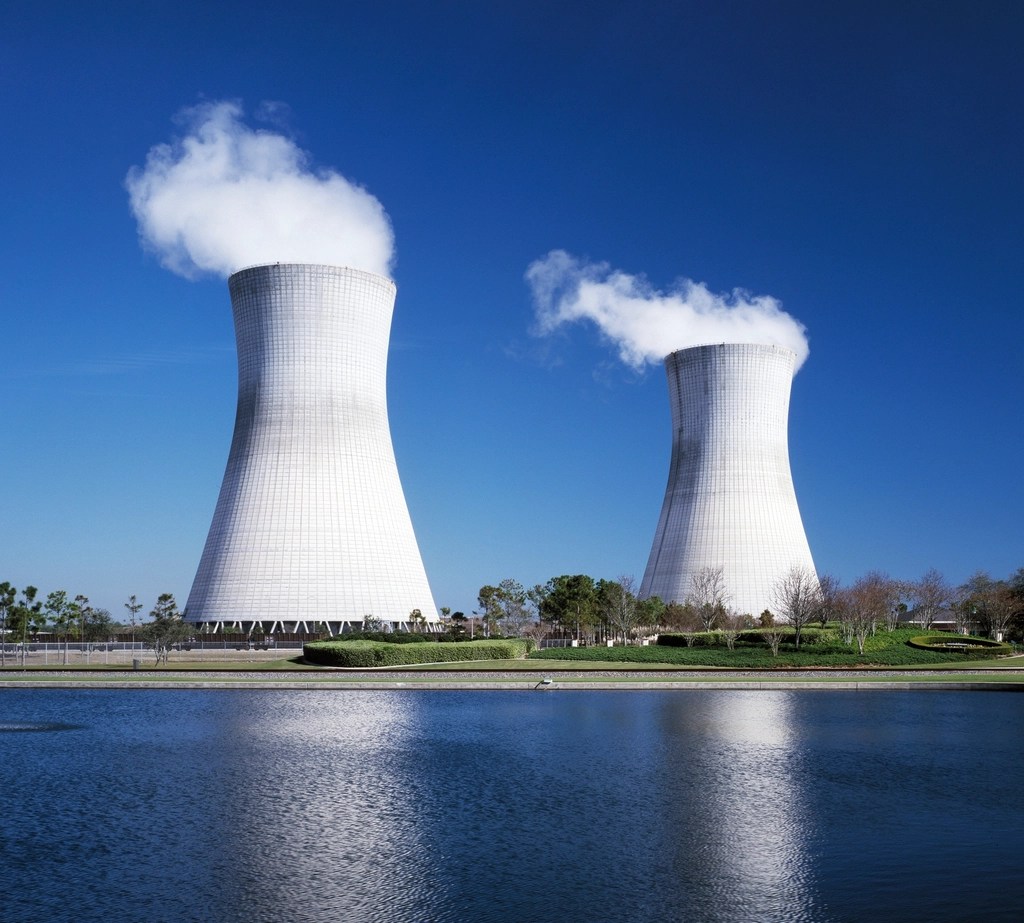
The Philippines is entering a structural transition in power demand. Rapid population growth, industrial expansion, electrification, and the accelerating deployment of AI-driven data centers are placing sustained pressure on the country’s baseload capacity. For long-duration capital providers, this creates a rare opportunity: large-scale, inflation-protected infrastructure assets with multi-decade demand visibility. Nuclear power—while capital intensive and institutionally complex—fits this profile when paired with disciplined site selection and phased deployment.
This analysis evaluates five potential nuclear power plant locations—Labrador, Pangasinan, Jose Panganiban, Camarines Norte, Masbate, Palawan (two candidate sites), and Antique—through a lens relevant to institutional capital: construction risk, grid integration, environmental and social exposure, scalability, and long-term system value. The objective is not to identify a single “best” site, but to assess how a portfolio of sites could underpin a bankable, multi-asset nuclear strategy aligned with the Philippines’ long-term growth trajectory.
| Site | Geographic & Terrain Profile | Strategic Advantages | Key Challenges | Infrastructure & Grid | Environmental & Social Sensitivity | Overall Assessment |
|---|---|---|---|---|---|---|
| Labrador, Pangasinan | Coastal plains facing Lingayen Gulf; flat to gently rolling terrain; sedimentary/alluvial soils; elevation 0–100 m | Direct Luzon grid access; near Sual Power Station; road and port connectivity; moderate population enabling exclusion zones | Nearby Philippine Fault; tsunami history (1990); typhoon exposure; impact on fishing communities | Highest readiness: existing power, ports, highways | Lowest sensitivity among sites due to existing industrial footprint | Most practical and fastest to deploy; best balance of risk, cost, and readiness |
| Jose Panganiban, Camarines Norte | Hilly to mountainous peninsula; mineral-rich; Pacific-facing coastline | Natural isolation; deep-water port potential; mining workforce base | Extreme typhoon exposure; rugged terrain; remote from grid; volcanic and seismic risks | Moderate–low: mining roads exist, major grid expansion needed | Moderate sensitivity; possible mining remediation issues | High risk / high cost site with engineering and weather challenges |
| Masbate | Large island with coastal plains and interior hills; limestone/sedimentary rock; surrounded by multiple seas | Strong island isolation; flexible coastline options; low industrial conflict | Requires submarine transmission cables; limited heavy infrastructure; typhoon corridor; logistics complexity | Low: essentially greenfield, massive new investment required | Moderate sensitivity; primarily agricultural | Strategic long-term option, not suitable for first nuclear deployment |
| Palawan (2 sites) | Long narrow island; mountainous spine; karst limestone geology; deep coastal waters | Maximum geographic isolation; low population density; dual coastline options | UNESCO sites; biodiversity risk; indigenous land rights; karst foundation risks; extreme remoteness | Low: minimal industrial and grid infrastructure | Highest sensitivity nationally | Technically feasible but politically and environmentally hardest |
| Antique | Western Panay coastal plain with mountainous interior; sedimentary/volcanic rock | Ideal Visayas baseload hub; calmer seas; usable port; natural mountain barriers | Seismic faults; island logistics; river flood risks; smaller grid | Moderate: port and road base exists; Visayas grid integration needed | Moderate sensitivity; agricultural land use | Best Visayas option with manageable trade-offs |
| Criterion | Potentially the Best Choice | Should be the Last Choice |
|---|---|---|
| Seismic Stability | Palawan | Jose Panganiban |
| Infrastructure Readiness | Labrador | Masbate |
| Environmental Sensitivity (Lowest) | Labrador | Palawan |
| Grid Connectivity | Labrador | Masbate |
| Construction Simplicity | Labrador | Jose Panganiban |
| Natural Isolation | Palawan / Masbate | Labrador |
Conclusion
For institutional investors looking to deploy capital into Nuclear endeavors in the Philippines, the central insight is that the Philippines’ power challenge—and opportunity—is too large and too structural to be addressed by a single nuclear asset. Rising AI-related electricity demand, coupled with sustained economic and demographic growth, argues for a multi-site, phased nuclear deployment strategy that diversifies construction, regulatory, and geographic risk while creating a scalable platform for long-term capital deployment. Based on the comparative analysis, Labrador, Pangasinan, Antique, and Masbate should be viewed as complementary assets within a national nuclear portfolio, rather than mutually exclusive alternatives.
Labrador is the most credible first-mover asset: it offers the shortest path to cash-flow stability through existing grid access, proximity to major demand centers, and lower upfront infrastructure risk—attributes aligned with de-risking early capital. Antique represents a logical second deployment as a Visayas baseload anchor, expanding the addressable market while reducing system concentration risk. Masbate, while not suitable for initial deployment, functions as a strategic option value play: a future island-based nuclear zone capable of absorbing incremental AI and industrial demand once transmission and logistics investments are in place. Taken together, these sites offer institutional investors a pathway to build a diversified, long-duration energy platform with regulated or contracted revenues, strong inflation-hedging characteristics, and exposure to one of Southeast Asia’s fastest-growing electricity markets.
 Ben Evangelista & Partners